
Should I Save My Tooth or Remove It? Root Canal vs Extraction Explained
If you're deciding between a root canal and extraction, you're not alone. This guide explains how dentists make this decision and what it could mean for your long-term oral health.
🟢 Quick Summary
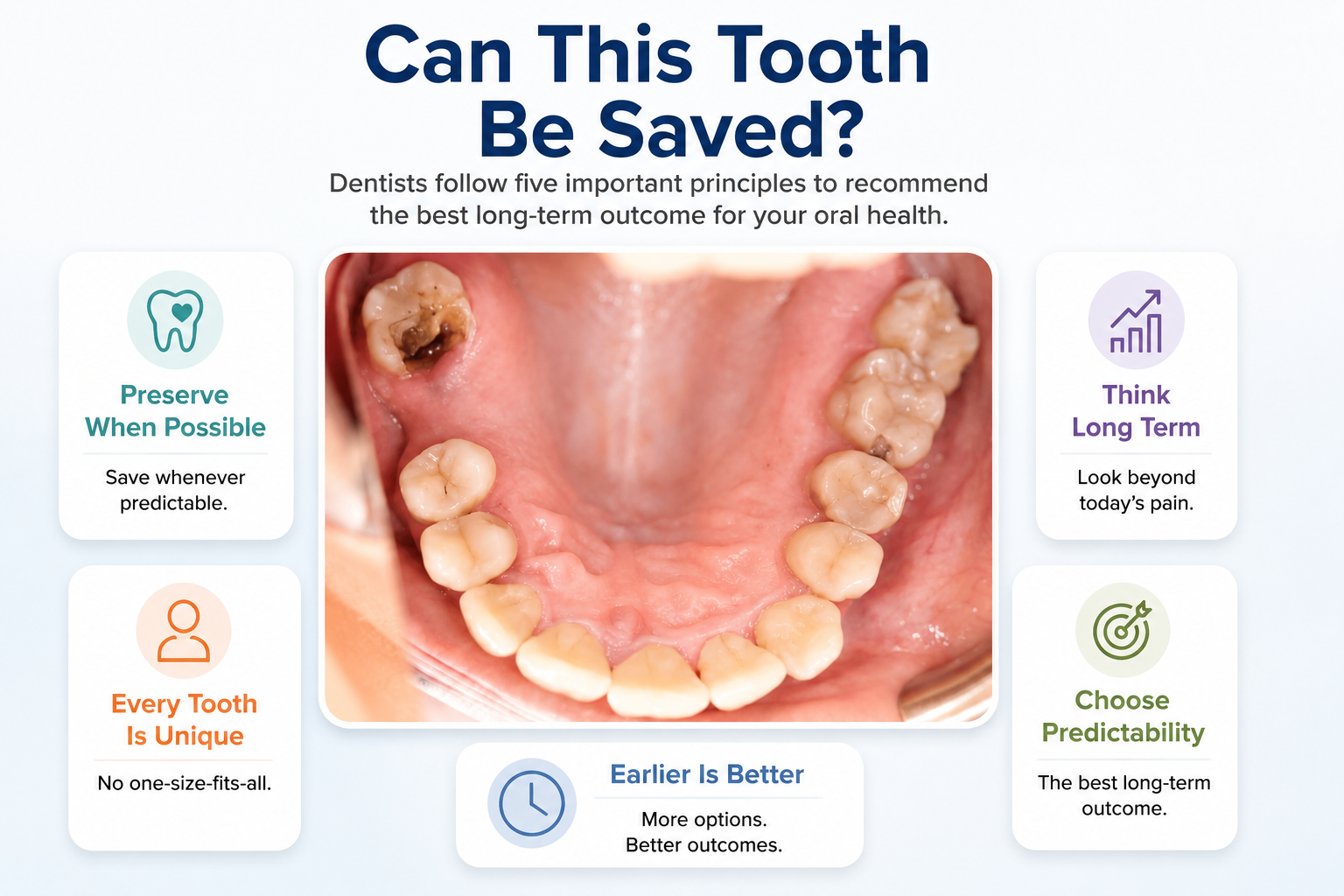
Dentists usually try to save a tooth whenever it can be repaired and expected to last.
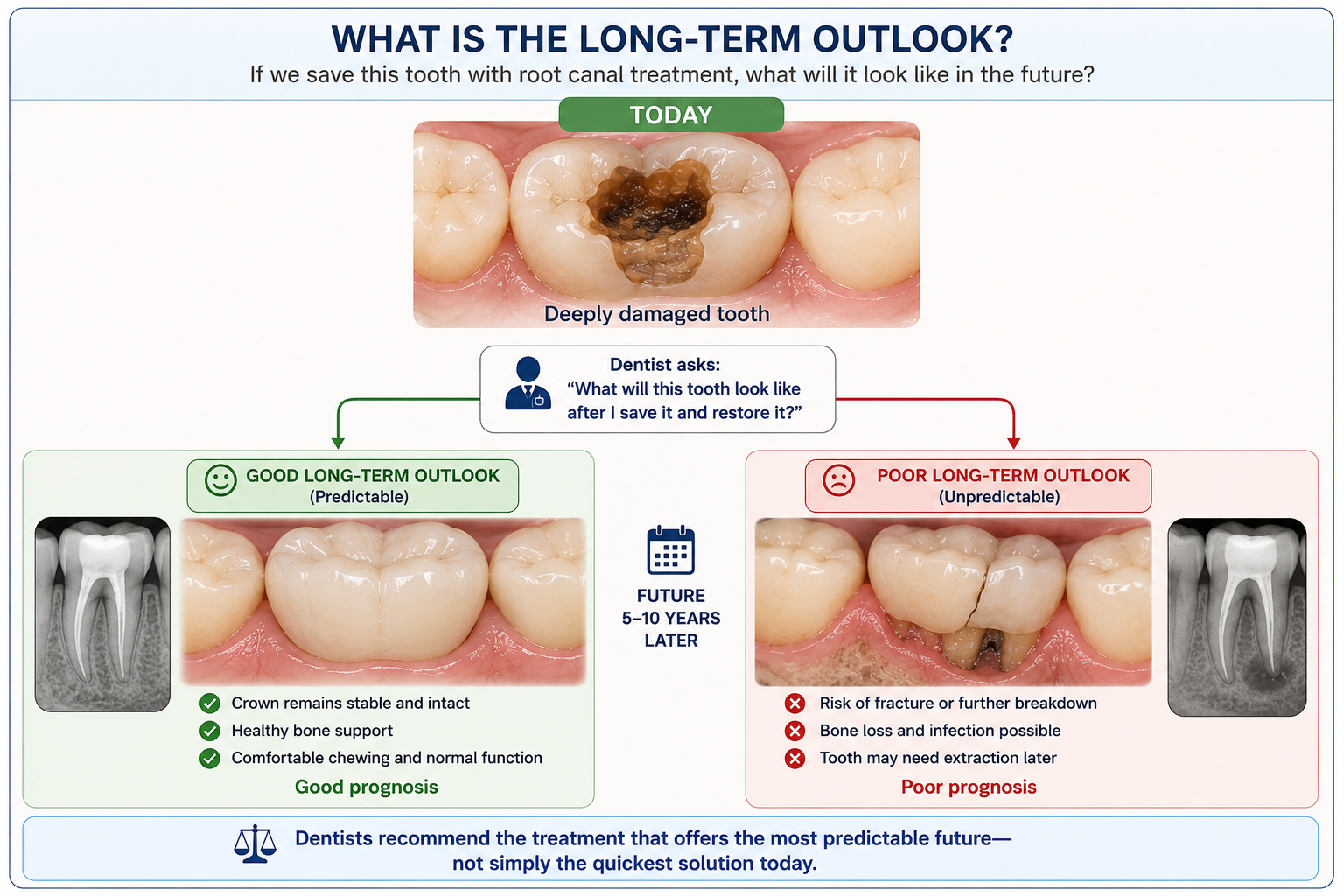
Whenever a tooth can be repaired, restored, and maintained predictably over the long term, dentists usually recommend preserving it rather than removing it.
Keeping your natural tooth often provides the most comfortable and efficient chewing, helps maintain your normal bite, supports the surrounding jawbone, and reduces the need for replacement treatments such as implants, bridges, or dentures.
However, preserving a tooth is only recommended when it offers a realistic long-term outlook. If the tooth is unlikely to function well even after treatment, extraction may provide the better long-term result.
🦷 Saving Your Natural Tooth
Why Do Dentists Try to Save a Natural Tooth?
Whenever possible, dentists usually recommend preserving a natural tooth because it often provides the best long-term function, comfort, and oral health.
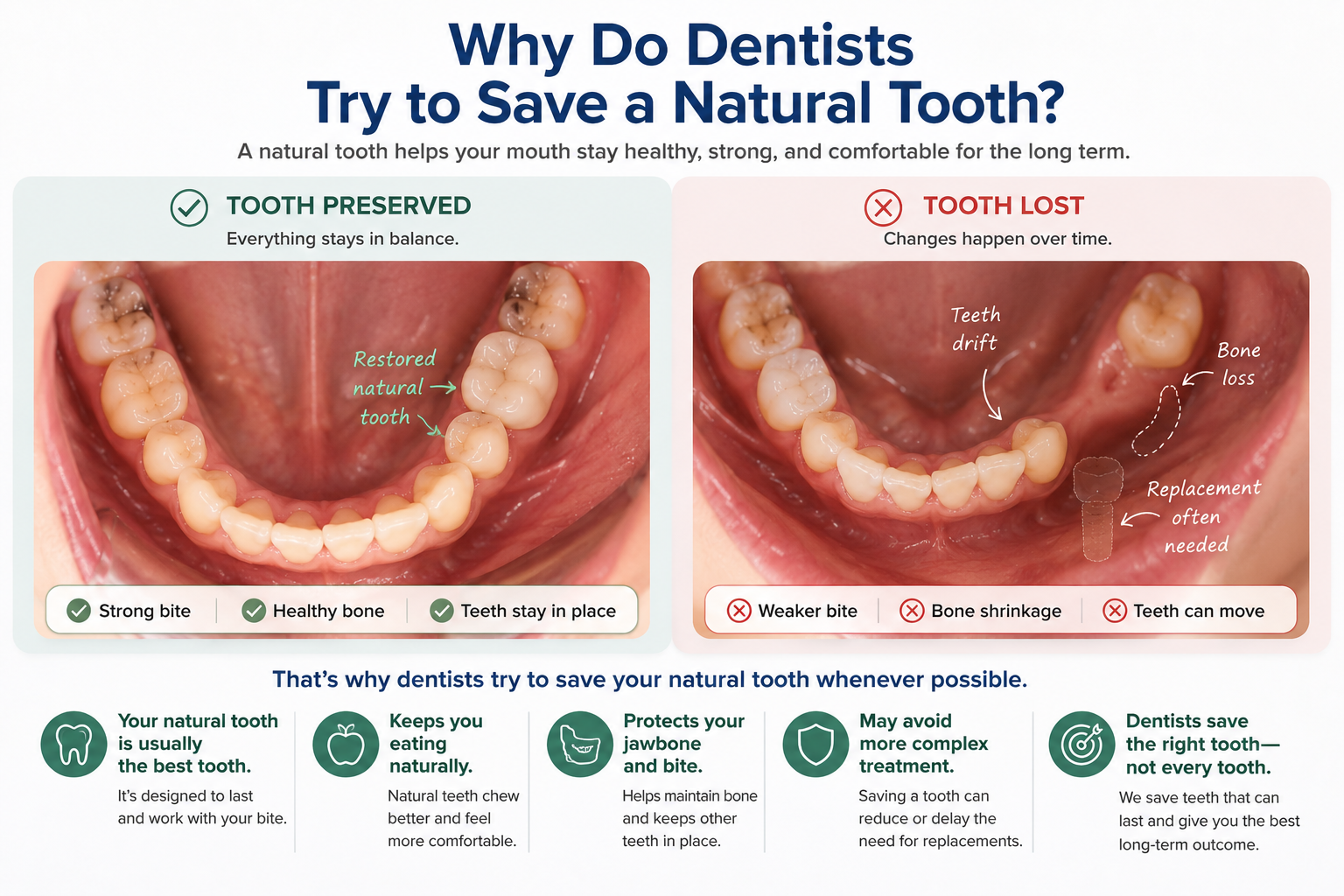
When a tooth can be repaired and expected to last, keeping it is usually the preferred option.
Whenever a tooth can be repaired, restored, and maintained predictably over the long term, dentists usually recommend preserving it rather than removing it.
A natural tooth is designed to work with the rest of your mouth. It often provides the most comfortable chewing, maintains your natural bite, and functions in a way that no replacement can completely replicate.
That is why dentists usually try to save a tooth whenever long-term preservation remains realistic.
⚖️ How Dentists Decide
How Do Dentists Decide Whether a Tooth Can Be Saved?
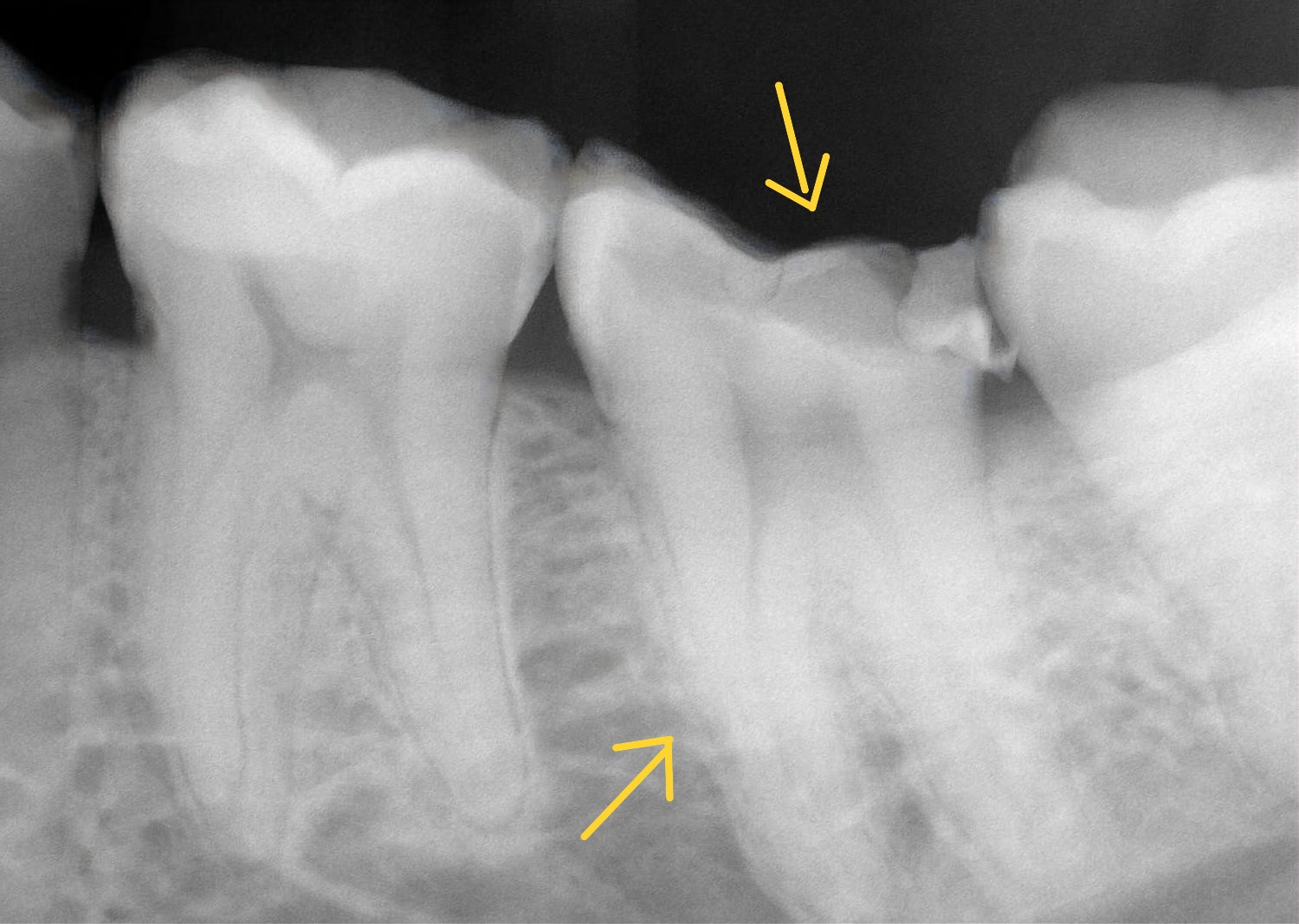
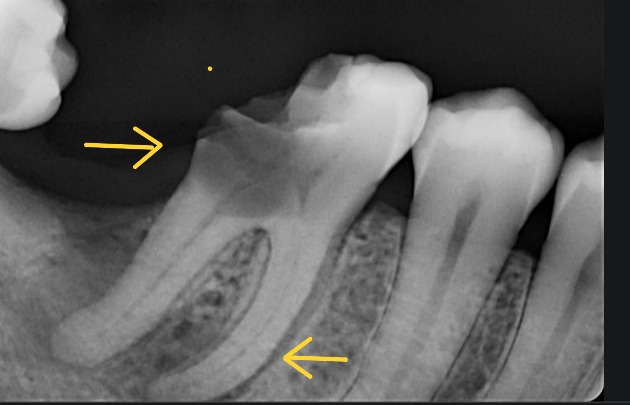
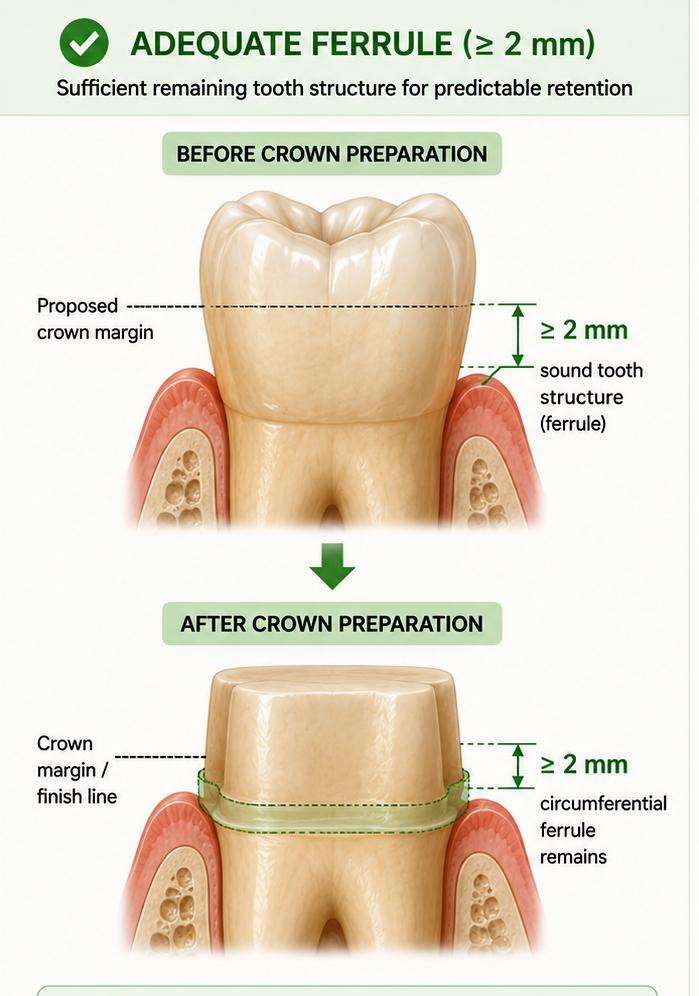
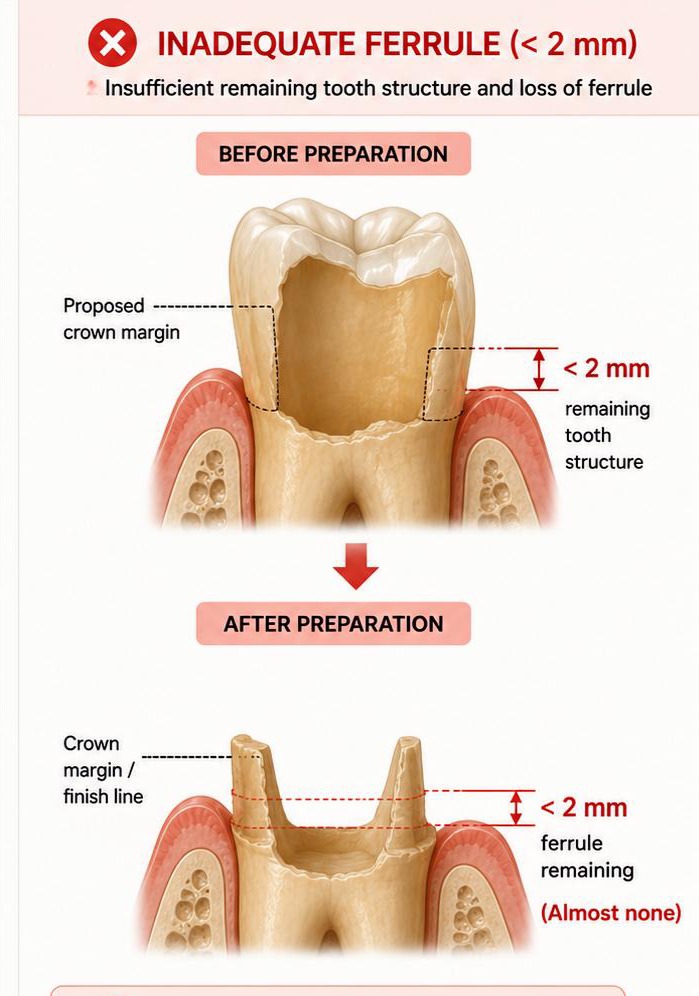
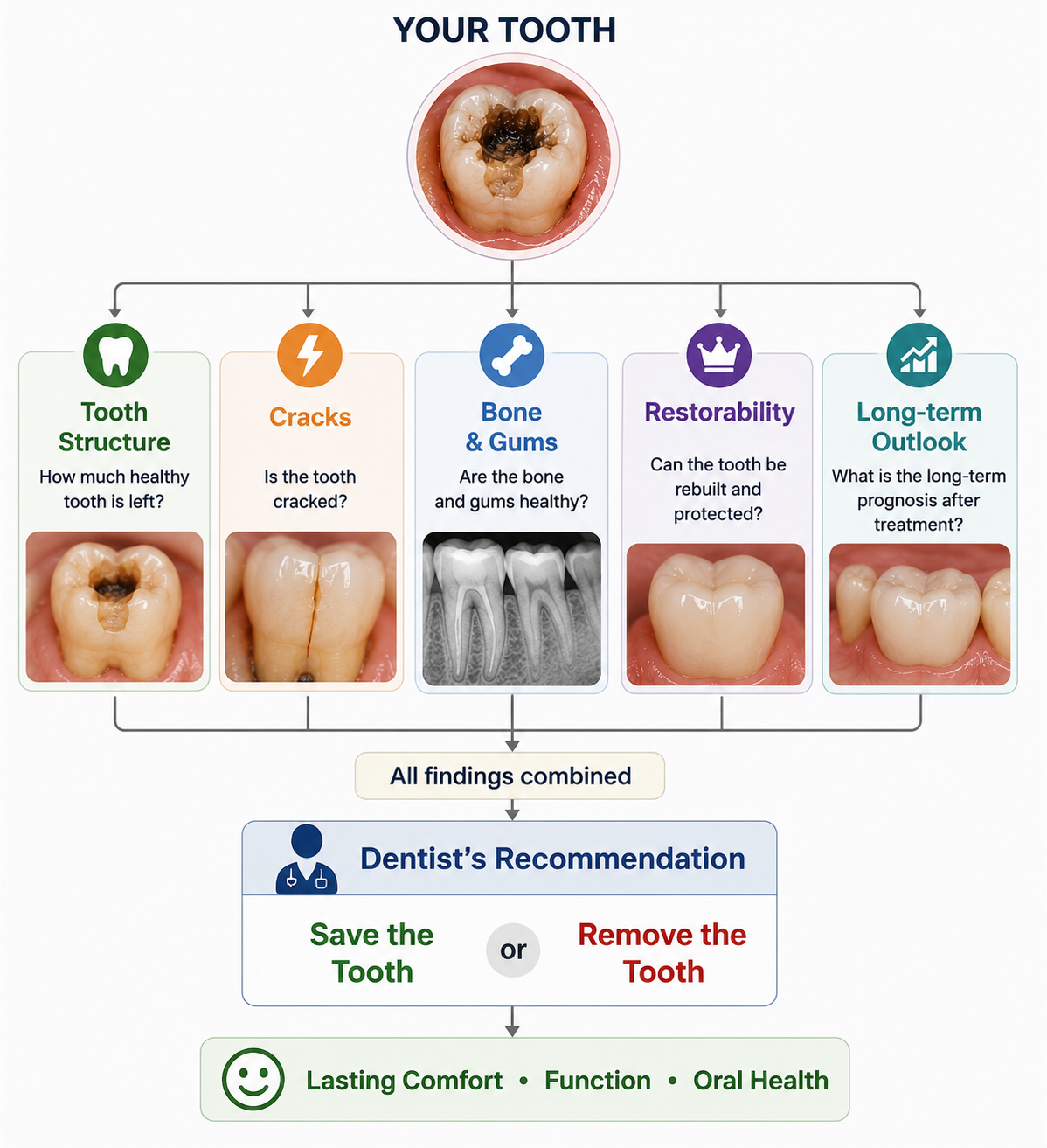
Your dentist's recommendation is based on one important question: Which treatment is most likely to keep your mouth comfortable, functional, and healthy in the long term?
📋 Your Personal Treatment Guide
What Happens Next?
A dental appointment often involves a lot of information in a short amount of time. Your dentist may provide a personalised treatment guide that brings together the key information from your visit, so you can review it at your own pace and feel more prepared for the next step in your care.
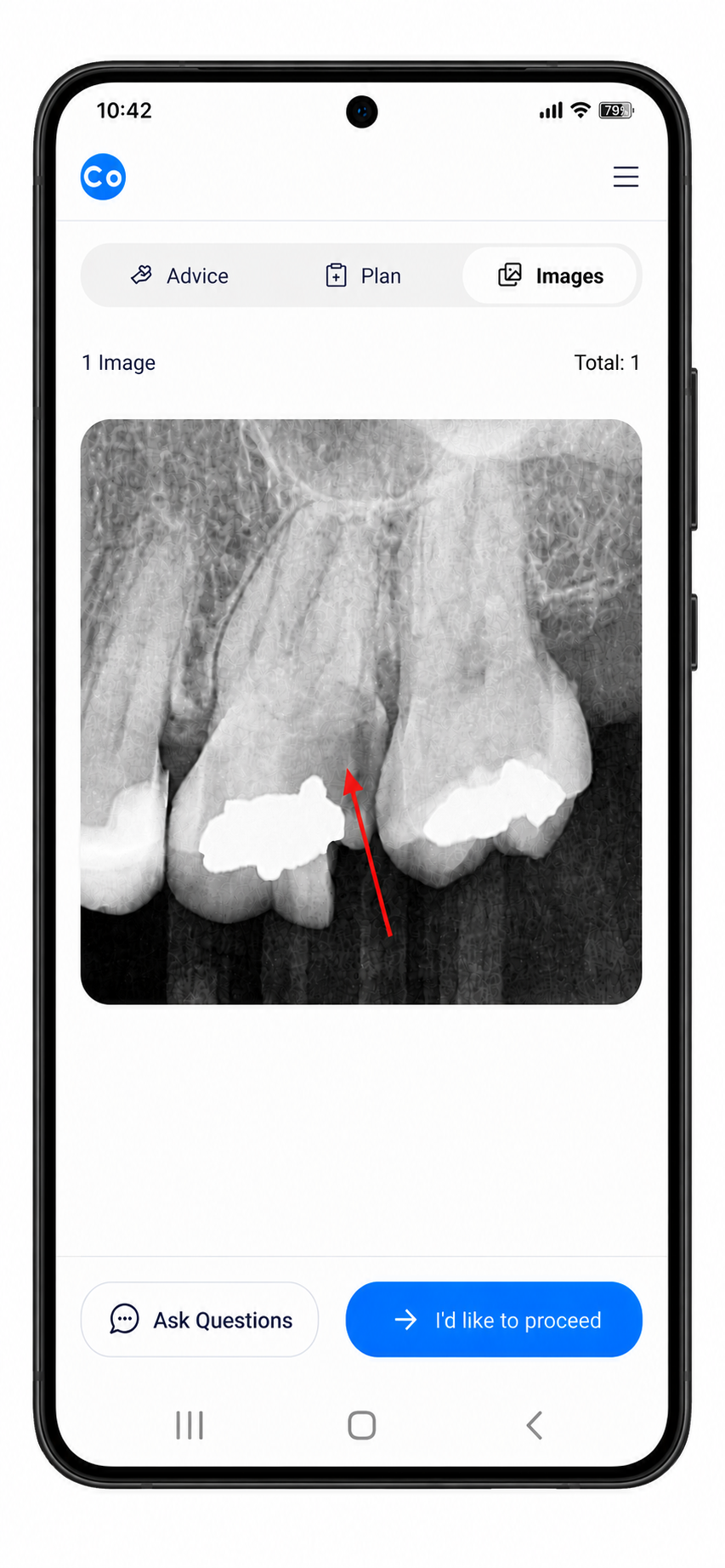
Your treatment guide summarises the important findings from your examination in clear, everyday language.
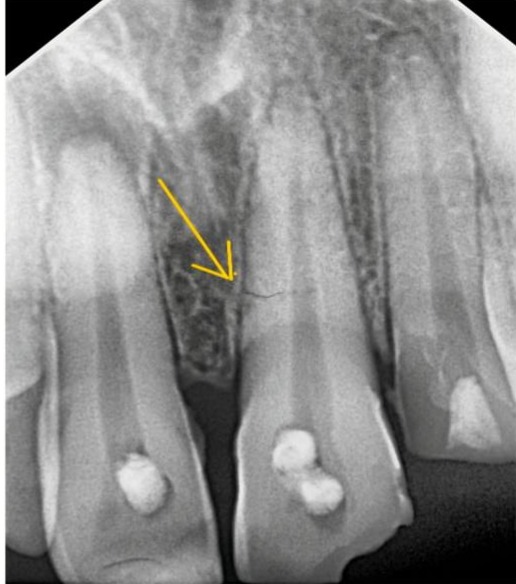
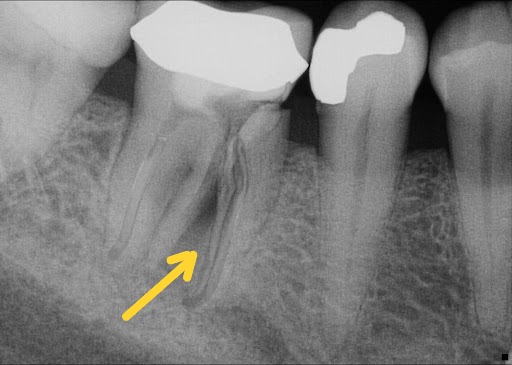
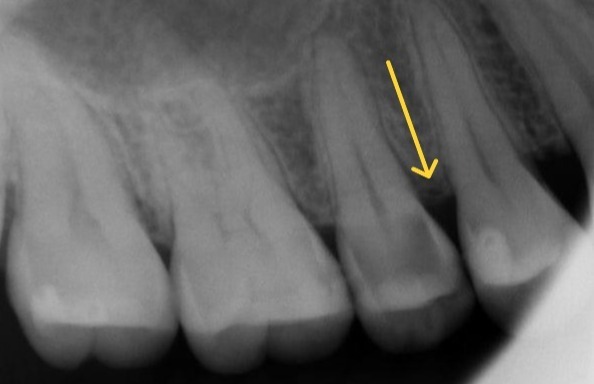
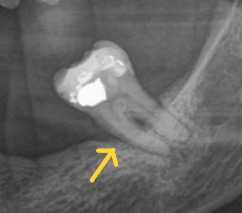
It may include clinical photographs, X-rays, and a simple explanation of the condition affecting your tooth, making it easier to understand what your dentist found and why treatment is needed.
Feature Highlight
Everything Discussed During Your Visit — In One Place
Instead of trying to remember every detail from your appointment, your personalised treatment guide helps you revisit the important information whenever you need it.
⏳ Preparing for Treatment
How Can I Prepare for My Treatment?
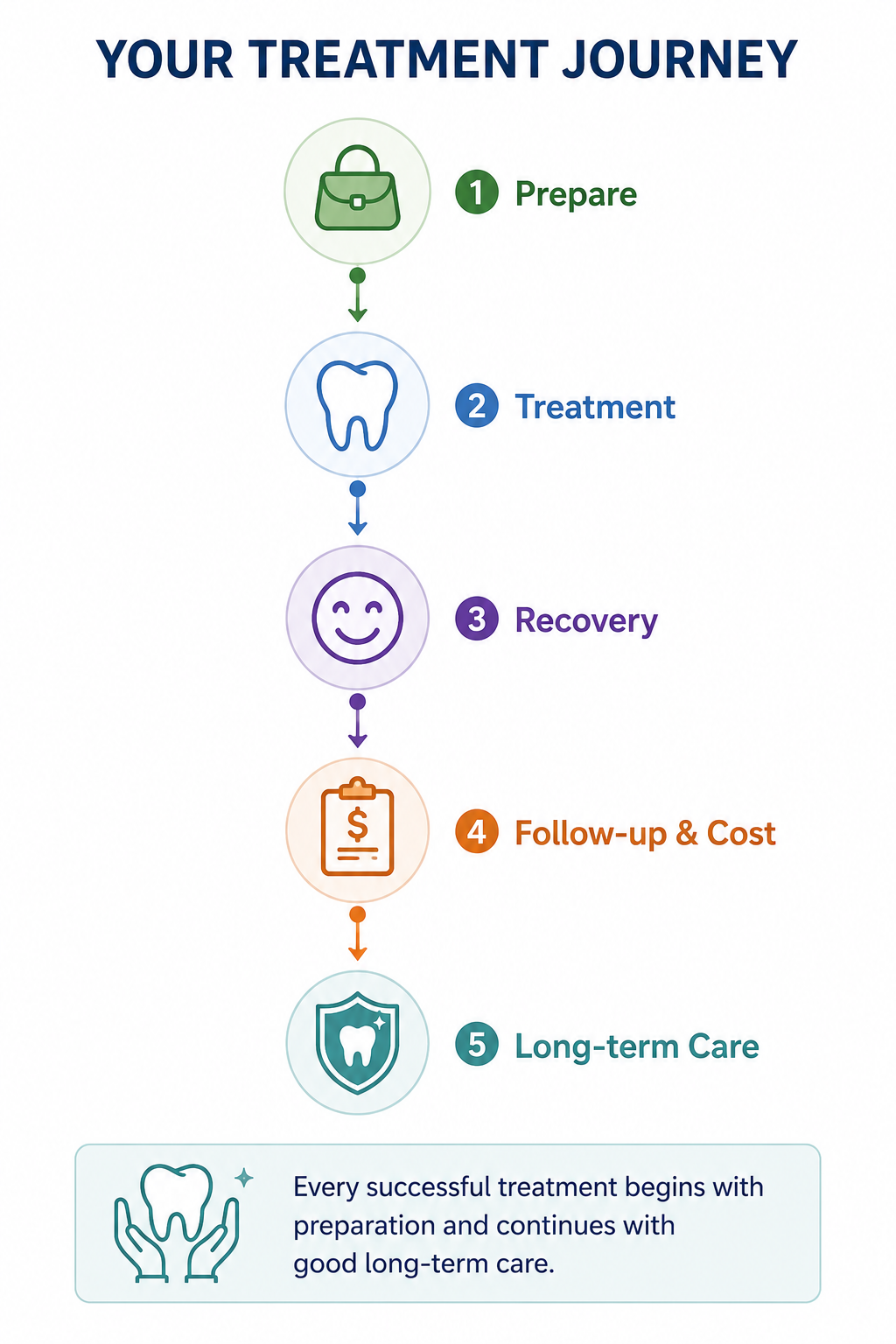
Knowing what to expect before, during, and after treatment can make the experience feel much less overwhelming.
Although every treatment is different, understanding the journey ahead can help you feel more prepared, reduce uncertainty, and take an active role in your recovery and long-term oral health.
🔑 Key Message
Every Treatment Journey Is Different
Every patient and every tooth is unique.
Understanding what happens before, during, and after treatment helps you prepare with confidence, recover more comfortably, and work together with your dentist to achieve the best possible long-term outcome.
❓ Ready to Speak With a Dentist?
You now understand why dentists often try to preserve a natural tooth, how treatment decisions are made, and what to expect if treatment is recommended.
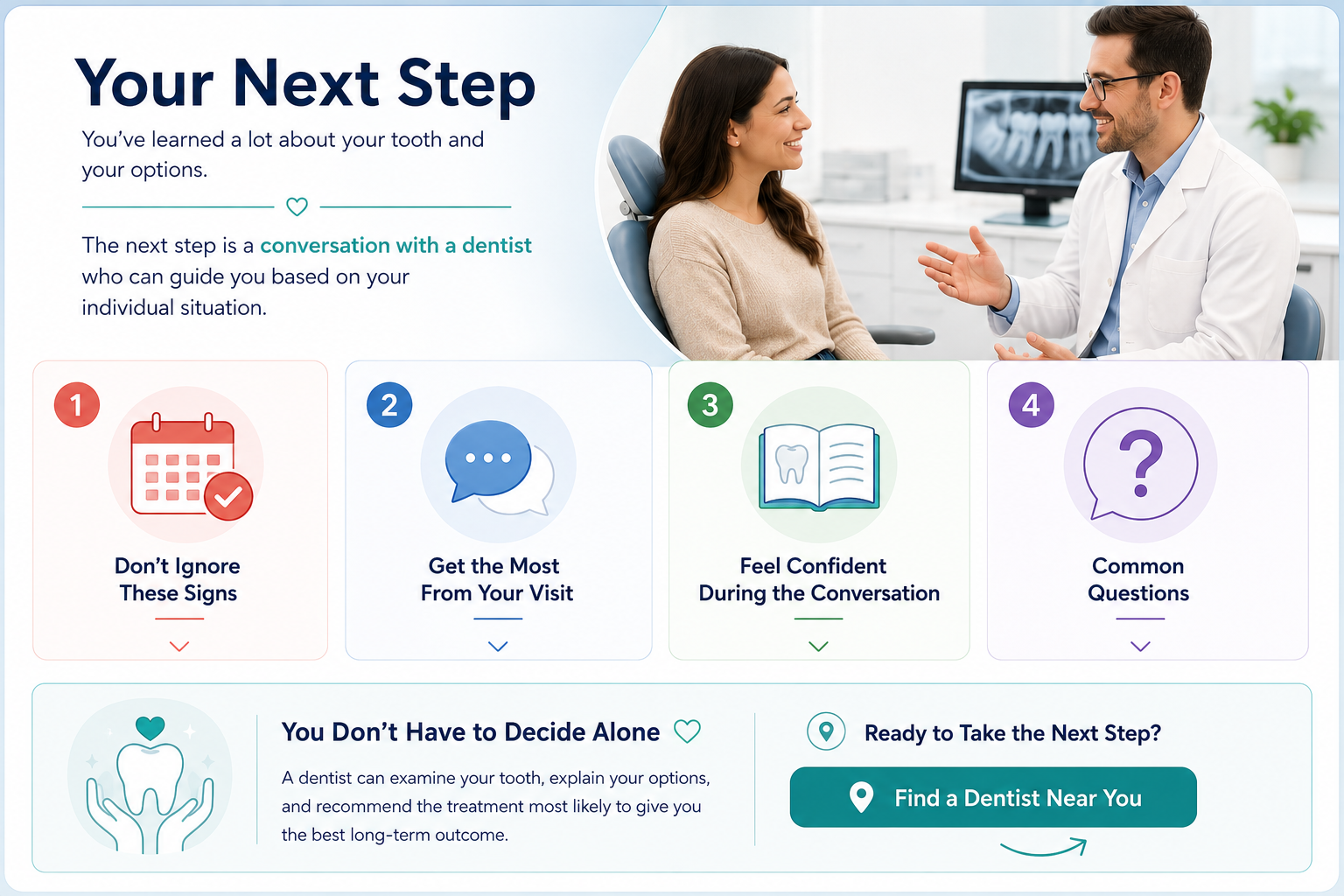
The final step is a professional examination. A dentist can assess your tooth, explain your options, and recommend the treatment most likely to provide the best long-term outcome for your individual situation.
📅Don't Ignore These Signs
Early assessment often provides more treatment options and may increase the chance of saving your natural tooth.
It is best not to delay an appointment if:
Find a Dentist who respects transparency
Coming SoonReady to Book a Consultation?
Connect with experienced dentists who can assess your tooth and discuss your treatment options transparently.
🔑 Key Message
You Don't Have to Decide Alone
Every tooth is different, and only a clinical examination can determine which treatment is most appropriate for your situation.
Speaking with a dentist allows you to understand your condition, discuss your options, and choose the treatment most likely to provide lasting comfort, function, and oral health.
🌟 Continue Learning
Understanding your dental condition is an ongoing journey. Whether you are preparing for treatment, recovering afterwards, or simply wanting to learn more, reliable information can help you make informed decisions and feel more confident throughout your care.
The CoTreat Dental Library is designed to support that journey with trusted educational resources created for patients.
Continue Your Learning
Continue exploring the CoTreat Dental Library:
- 📚Explore More Patient Guides
- 🎥Watch Educational Videos (Coming Soon)
- 🦷Browse the Dental Atlas (Coming Soon)
- 👥Join the Patient Community (Coming Soon)
🔑 Key Message
Understanding Builds Confidence
The purpose of the CoTreat Dental Library is not only to explain dental conditions.
It is to help you understand your options, communicate more confidently with your dentist, and continue learning through trusted education, practical resources, and shared experiences.



CoTreat is building the AI colleague for dentists.
CoTreat makes it easy to go above and beyond for your patient. An AI that supports you in clinic.